Increase Daily Health Tracking Habit by 200% with Easy Sync
User Research, Product Design
February - April 2023
Product Designer

Encourage users to monitor their daily health while keeping connected to their healthcare provider.
Introduction
Context
Welch Allyn Home sells one of the bestselling consumer health monitoring devices in the US market with a bundled legacy mobile app.
Problem
The legacy app hasn’t been updated for the past 5 years. In effect, the app suffers from poor usability, unfixed bugs, and limited OS support at present day.
Solution
Design a modern app with a totally new experience. With primary focus on increasing the users’ daily use by 200%. In effect, increasing product sales by at least 20%.
My Role
Product Designer
I worked as the Product Designer leading the end-to-end design process for this health device tracking app project. From defining user needs and designing experiences to prototyping and validation. I collaborated closely with the VP of Product, PM, business team, engineering team, and enterprise client stakeholders to align user goals, technical requirements, and business objectives throughout the project.

Research
Stepping into the shoes of health device users
Before shaping the experience, I needed to understand how people manage blood pressure monitoring in their daily lives. Research focused on uncovering user behaviors, health routines, and pain points. Identifying opportunities for a more supportive and accessible monitoring journey.
Research Methods

User Interviews
Conducted user interviews with 10+ participants to know more about their goals, behaviors & pain points.

Customer Feedbacks
Investigated the google play and app store customer reviews. Taking note of user complaints and suggestions.

Usability Testing
Performed user testing with the legacy app. Observing user behavior while taking notes.
Research Findings
I stopped using the mobile app after just one week of use.
“Monitoring my blood pressure with the mobile app offered little to no incentive.”
App onboarding was cumbersome and frustratingly long.
“Upon installing the app, I had to fill out tons of personal details before I could start using it.”
Device pairing with mobile app isn’t very intuitive.
“I had difficulty connecting my blood pressure monitor to the app the first time I used it.”

Define
Uncovering barriers to consistent health management
Research findings were synthesized into opportunities to improve the blood pressure monitoring experience. This phase helped define the core problems around tracking, understanding, and acting on health data. These helped guide the design toward a more meaningful and supportive solution.
User Journey Map

Constraints & Trade-Offs
Designing a connected health experience requires balancing user needs, technical limitations, and device capabilities. Throughout the process, several constraints influenced how the experience could be shaped. These were some of the key challenges identified during the problem definition phase that guided the design decisions.
1. Device bluetooth connection is buggy.
The Welch Allyn Home health devices sold in the market are a bit old and tend to perform poorly in terms of syncing via bluetooth. As a workaround, we designed the app to always communicate with the user using clear instructions and also to handle failure states gracefully.
2. Last minute additional requirement.
The team was caught off guard when customer decided at the last minute to require support for international release. Good thing, we will be using our own VSee Clinic kit framework. Which already includes support for multiple languages. We only had to add a module to support changing the units of measurement to completely support internationalization.
Wireframes
Exploring and validating health tracking flows
Early concepts were transformed into low-fidelity wireframes to explore the structure, information hierarchy, and key monitoring workflows. This stage focused on simplifying data entry, improving clarity of health insights, and validating the experience before moving into visual design.
Device Pairing Steps

Health Monitoring Steps

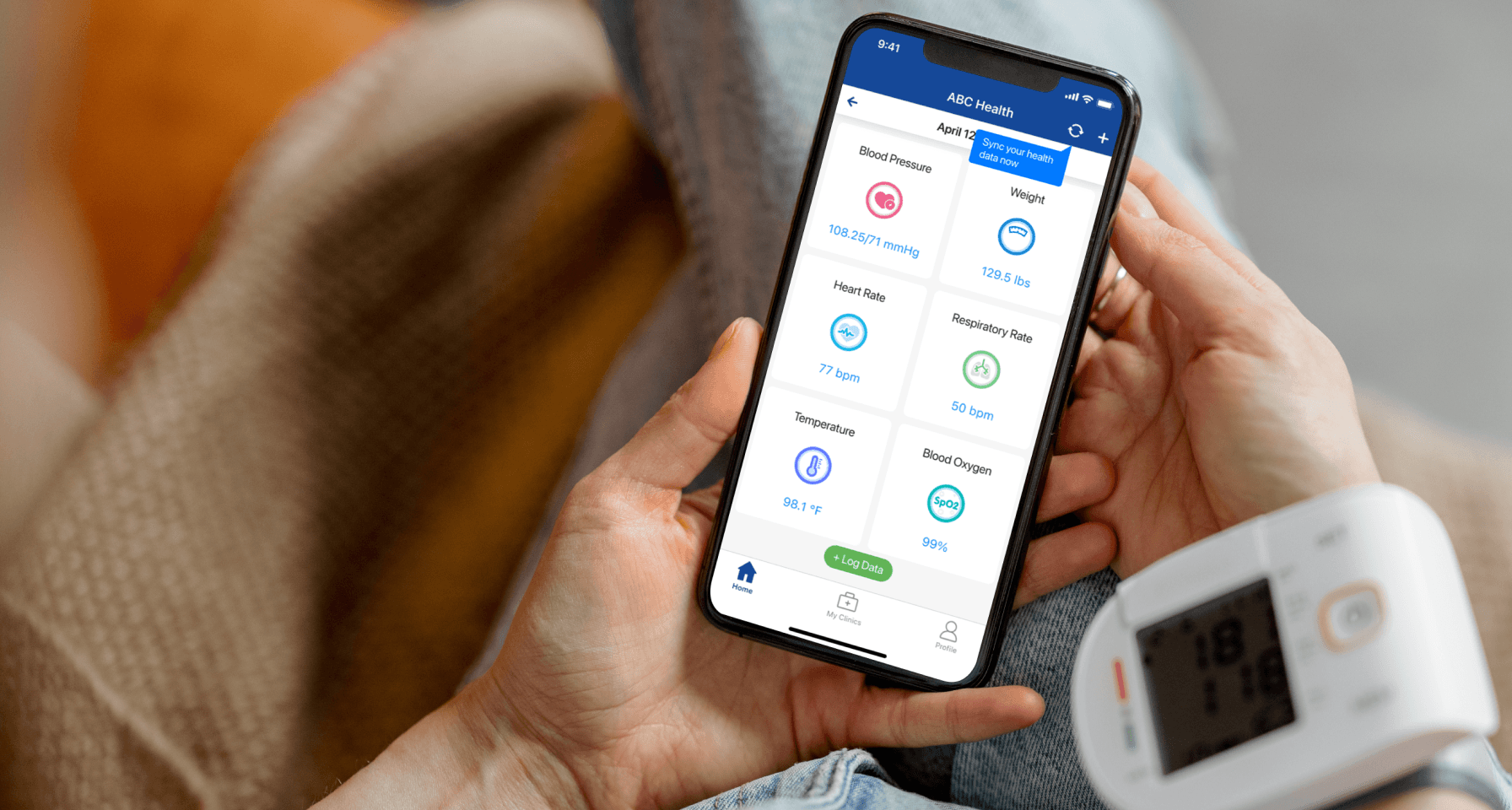
Design Solutions
Designing a better health tracking experience
The final designs focused on simplifying blood pressure monitoring, improving data clarity, and encouraging consistent usage. Each interaction was crafted to reduce effort, support better health decisions, and align user needs with long-term wellness goals.
Quick Onboarding
EFFICIENCY
Whether you’re a new or old user, installing the app to taking your first reading should take as few steps as possible.


Easy-Sync Button
INTUITIVENESS
Make it easy for the users to sync health data from their health devices using just one sync button.


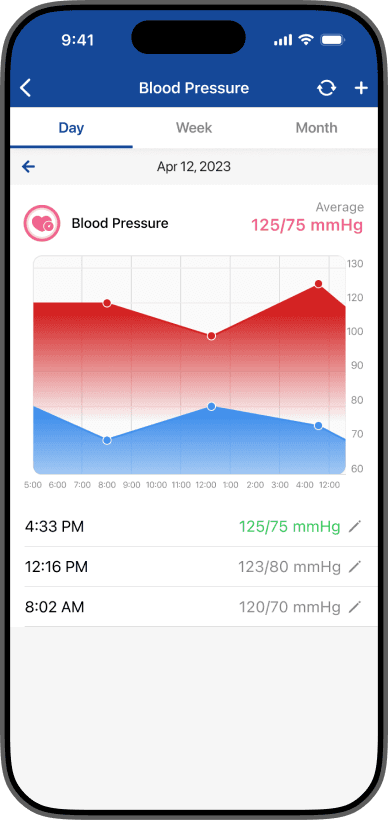
Goals and Reminders
STICKINESS
Give users control over their progress by encouraging them to set health goals to target and reminders to take their next health data reading.


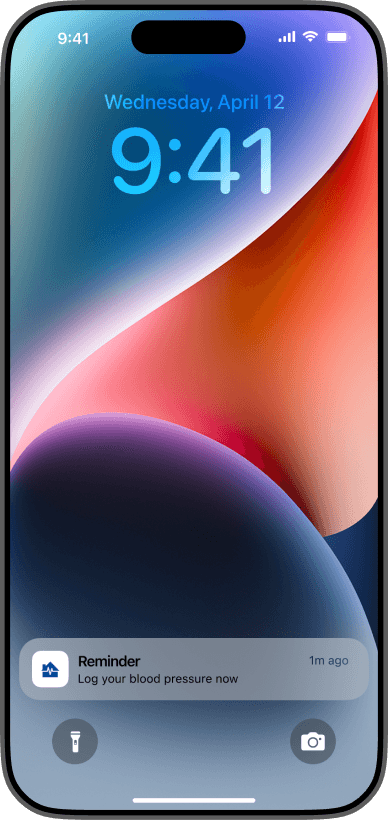
Clinic Subscriptions
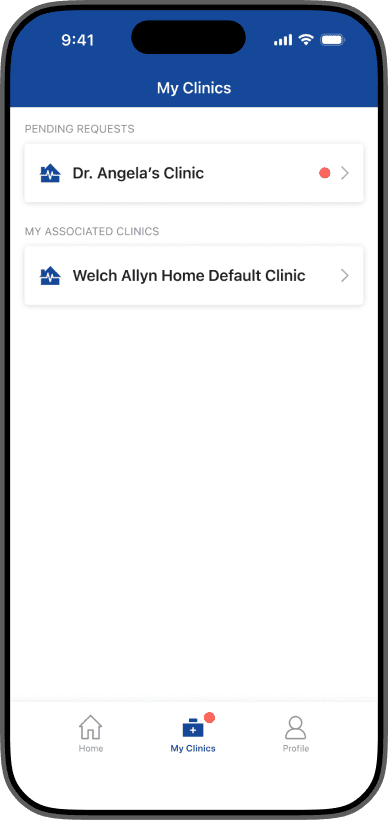
SCALABILITY
Users may be invited to an accredited doctor’s clinic and share their existing health data easily to their provider.



Final Designs

Success Metrics
Measuring experience and business impact
Success is defined through a combination of design and business metrics. These measures will provide a clear framework for evaluating whether the redesigned experience improved both customer outcomes and organizational performance.
Feature Adoption Rate
3000+
more health data logged after one month.
User engagement increased after launching the new app. Patients are motivated to monitor their health. New goals and reminders encourage consistent daily tracking and create a stronger sense of progress.
Time on Task
66.67%
faster bluetooth health device pairing and sync time.
Previously, pairing and syncing health data took nearly 1 minute and often failed due to bluetooth issues. The new app reduces this process to less than 20 seconds with a smoother connection experience.
Monthly Active Users
200%
more new active users onboarded after the first month.
New user signups showed significant growth within the first month after launch, helping increase adoption of the app experience while supporting the sales and marketing efforts of the health devices.
Lessons Learned
1. What I’d do differently, if given the chance
Encourage improvements to the hardware alongside the app experience, creating a more seamless and complete product ecosystem that delivers a consistent and valuable experience for users.
2. Future improvements in mind
Maximize integration with Apple HealthKit and Google Fit API to increase engagement, support broader health tracking, and enable connectivity with a wider range of health devices beyond Welch Allyn’s ecosystem.